Why social media feels so hard to stop
Social media feels unstoppable because the digital features around you are built to keep you engaged, keep us checking, and keep us coming back. If you feel like you open one app for a minute and somehow lose half an hour, you are not lazy or broken. In many cases, social media uses short videos, frequent notifications, and endless feeds to hold your attention in a loop.
Recent public posts and discussions about Gen Z, doomscrolling, and constant phone use all point to the same idea: social platforms feel woven into daily life. For many people, they are not just tools anymore. They feel like the background of the day.
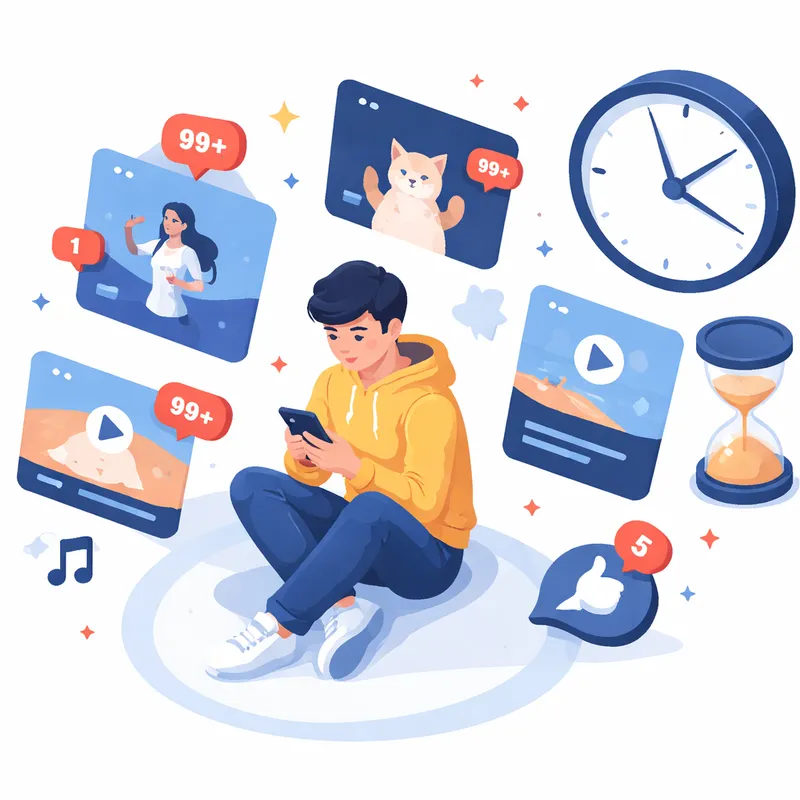
The main reason: tiny rewards, repeated all day
A simple way to understand this is through reinforcement. You check your phone and sometimes you get something rewarding.
Maybe it is:
- a new like
- a funny short video
- a message from a friend
- a surprising headline
- a shopping deal
- a post that makes you feel seen
That reward is not huge. That is part of the point. It is small, fast, and easy to repeat.
Some social posts describe this as a “digital dopamine loop.” That phrase gets used a lot online, sometimes too loosely, but the basic idea is still useful. Your brain learns that checking might lead to something interesting, comforting, or exciting. So you check again.
Not every scroll gives you a reward. That unpredictability actually makes the habit stronger. It works a bit like pulling a slot machine lever. You do not know when the next interesting thing is coming, so you keep going.
The features that make social media feel unstoppable
A lot of people talk about social media as if the problem is just weak self-control. That misses the design side. Platforms often include features that make stopping harder.
1. Infinite scroll
There is no clear stopping point. A book has chapters. A movie ends. Social feeds keep loading.
Your brain likes closure, but the feed never gives it to you. So you keep searching for the next satisfying post.
2. Short video scrolling
Short videos are fast, emotional, and easy to consume. You do not need much effort to watch one more. Then one more becomes twenty.
This is one reason many people say they only meant to “check for a second” and stayed far longer.
3. Notifications every few minutes
Notifications interrupt your attention and create a sense of urgency. Even when the update is minor, it can feel important because it is framed as something you should see now.
That small ping can pull you out of work, rest, or even a conversation.
4. Social reward
Likes, replies, views, and shares can make you feel noticed. Humans care deeply about belonging. Social media turns that need into a measurable system.
When attention becomes visible, you may start checking not just for information, but for validation.
5. Personal algorithms
Algorithms learn what keeps you watching. If outrage, gossip, beauty content, or niche humor grabs your attention, the app often gives you more of it.
That can make the feed feel uncannily hard to leave because it starts to mirror your impulses back to you.
Why Gen Z seems especially tied to social media
One of the strongest themes in the source material is that Gen Z often experiences social media as a non-separable part of life. That makes sense.
For many younger users, social media is not just entertainment. It is also:
- group chat culture
- identity expression
- news discovery
- trend tracking
- dating and flirting
- humor
- study breaks
- shopping influence
- social belonging
That 24/7 connection matters. If your friends, jokes, plans, and status updates all live on your phone, logging off can feel like stepping out of the room while everyone else stays inside.
This helps answer a common question: why is Gen Z so obsessed with social media? In many cases, it is not pure obsession. It is connection, habit, identity, and fear of missing something all wrapped together.
Doomscrolling, bed rotting, and the tired brain
Words like doomscrolling and bed rotting have become common because they name a real feeling. You are tired, maybe stressed, maybe lonely, and your phone offers an easy way to stay occupied without needing much energy.
The problem is that passive consumption often does not restore you.
You may notice this pattern:
- You feel mentally drained.
- You grab your phone to relax.
- You scroll for quick relief.
- You end up more distracted, tense, or numb.
- You do it again later.
That is why social media can feel both comforting and exhausting. It gives fast stimulation, but not always real recovery.
Some online creators call this “cheap dopamine” versus the slower rewards that come from effort, practice, movement, or face-to-face connection. The labels are oversimplified, but the contrast is useful. Quick digital rewards feel good right now. Slower rewards often feel better later.
What psychologists generally think about social media
Psychologists do not all see social media as purely bad. The more balanced view is that it depends on how you use it.
Used with intention, social media can help you:
- stay in touch with people
- find support communities
- learn new ideas
- express creativity
- feel less alone
But when use becomes constant, mindless, or emotionally loaded, it can chip away at attention, mood, and well-being.
The key difference is often active use versus passive use.
Active use looks like messaging a friend, sharing something meaningful, or joining a helpful community.
Passive use looks like aimless scrolling, comparison, doomscrolling, or checking for validation.
That is where many people start to feel stuck.
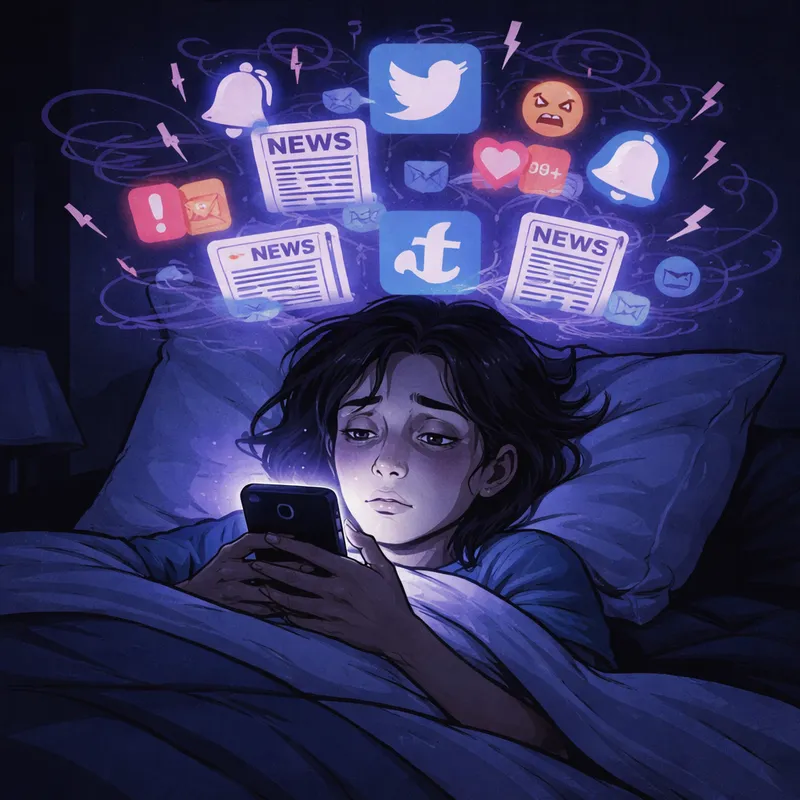
What social media may be doing to your mood and attention
The source material repeatedly links nonstop interaction with effects on behavior, mood, and attention. While social posts often make these claims in dramatic language, the everyday version is easy to recognize.
When social media takes over your day, you may notice:
- shorter attention spans
- more task switching
- lower tolerance for boredom
- more comparison
- more anxiety before posting
- less presence in real conversations
You may also feel like silence has become harder. Waiting in line, sitting on the train, even brushing your teeth can start to feel like empty space that must be filled.
That matters because boredom used to create room for reflection. Now it often triggers a reach for the phone.
What are 5 negative effects of social media?
Here are five common negative effects of social media when use becomes excessive or unintentional:
Reduced focus
Constant notifications and short-form content can train you to switch attention often.Anxiety and overstimulation
Too much input, comparison, and bad news can leave you feeling on edge.Poor sleep
Late-night scrolling can delay sleep and make it harder for your brain to wind down.Lower self-esteem
Seeing polished versions of other people’s lives can make your own life feel smaller than it is.Weaker real-world presence
If you are always half-on your phone, conversations, work, and rest all suffer.
Not everyone experiences all five, and not every social media session is harmful. But these are common warning signs worth noticing.
Why some people are quitting social media now
Another question people ask is why Gen Z is quitting social media if they are so tied to it.
The short answer is this: many users are tired.
Social media can become:
- exhausting
- performative
- repetitive
- weirdly boring
- too algorithmic
A lot of users miss the older feeling of posting casually and seeing friends naturally. When every feed feels optimized, monetized, and crowded with content chasing attention, people start to pull back.
So yes, social media can feel unstoppable. But that does not mean people always enjoy it.
How to make social media feel less powerful over you
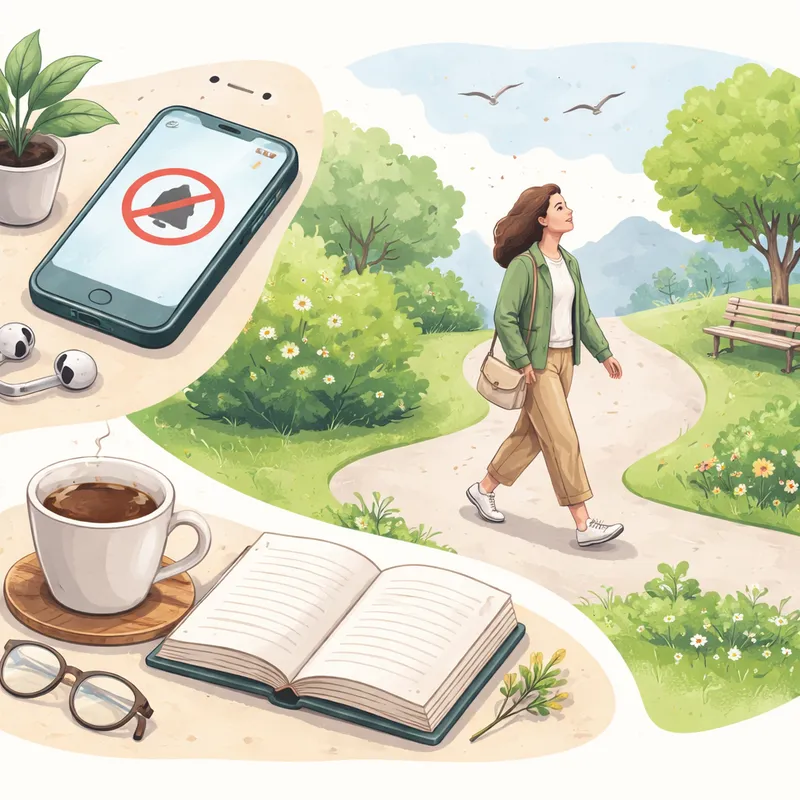
You do not need to throw your phone in a lake. Small changes help.
Create friction
Make checking a little less easy.
- turn off non-essential notifications
- remove social apps from your home screen
- log out after use
- use grayscale at night
Set a purpose before opening an app
Ask yourself: why am I here?
Examples:
- reply to two messages
- post one update
- watch one saved tutorial
If you do not have a reason, that is often when aimless scrolling starts.
Replace the cue, not just the behavior
If you always scroll during lunch, on the train, or before sleep, swap in a different action.
Try:
- music without the screen
- a short walk
- reading a few pages
- voice notes with a friend
- stretching
Protect high-value parts of the day
The source material describes morning, lunch, and evening as moments where quick digital rewards take over. Those are smart places to set limits.
Try keeping your phone away for:
- the first 30 minutes after waking up
- meals
- the last 30 minutes before bed
Choose active use over passive use
Message someone. Learn something. Share intentionally. Then leave.
That one shift can make social media feel less draining.
FAQ
Why is Gen Z so obsessed with social media?
Gen Z often uses social media as a constant connection tool. It helps them stay in touch with a wide network all day, no matter where people live. For many, it is where friendships, humor, identity, news, and trends all meet. That makes it feel essential, not optional.
What do psychologists think of social media?
Most psychologists take a balanced view. Social media does not offer the same benefits as face-to-face contact, but it can still support well-being when you use it intentionally. The biggest advice is simple: do not scroll aimlessly just to kill time. Try to use it with purpose.
Why is Gen Z quitting social media?
Many younger users say social media feels exhausting, performative, and boring. Algorithm-heavy feeds can make posting feel less real and less social. Some are quitting or reducing use because they want more control, more privacy, and less pressure.
What are 5 negative effects of social media?
Five common negative effects are reduced focus, anxiety, poor sleep, lower self-esteem, and weaker real-world presence. These effects are more likely when social media use becomes constant, passive, or emotionally intense.
Final thought
If social media feels unstoppable, that feeling is understandable. Many apps are designed to keep your attention through endless content, social rewards, and constant prompts. But design is not destiny.
Once you notice the loop, you can interrupt it.
You do not need perfect discipline. You just need a few boundaries that make your attention feel like yours again.

