WhatsApp Premium Subscription is here in testing, but it is mostly about personalization
WhatsApp Premium Subscription is the big talking point right now because WhatsApp is now testing a new optional subscription called WhatsApp Plus. The early version focuses on expanded pinned chats, custom lists, new chat themes, and more. In simple terms, WhatsApp will still work the same for most people, but a small group of users may soon be able to pay for extra ways to organize and style their chats.
That matters for two reasons. First, you want to know if your free WhatsApp experience is about to change. Second, you probably want to know if this is actually useful or just another monthly charge.
Right now, the answer looks pretty clear. This new subscription is optional, limited, and mostly cosmetic.
What WhatsApp Plus appears to include right now
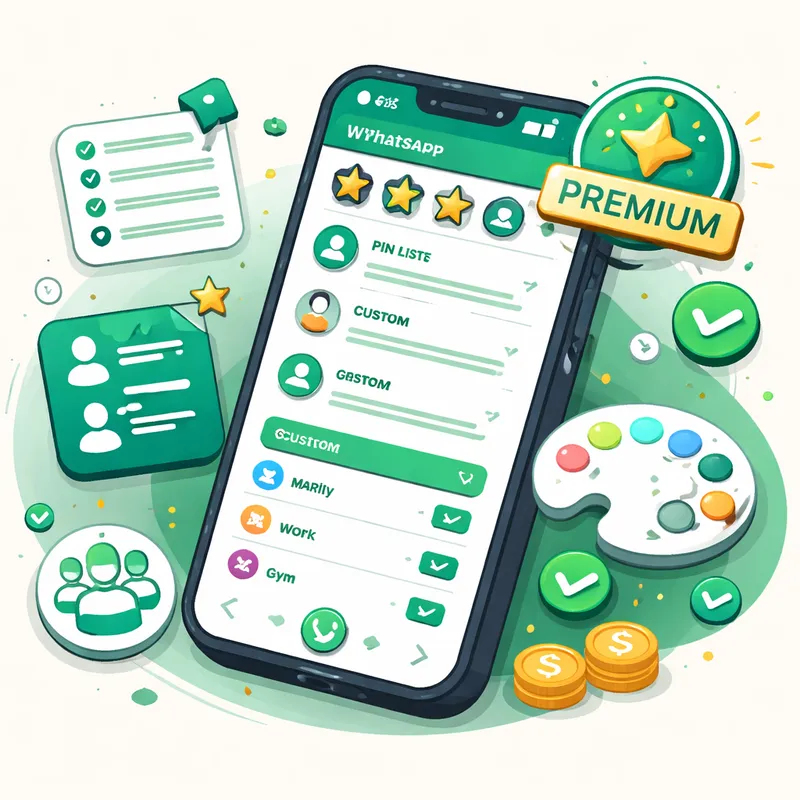
Based on current reporting, the test version of WhatsApp Plus is built around customization and chat organization, not major new messaging powers.
Here are the main features mentioned so far:
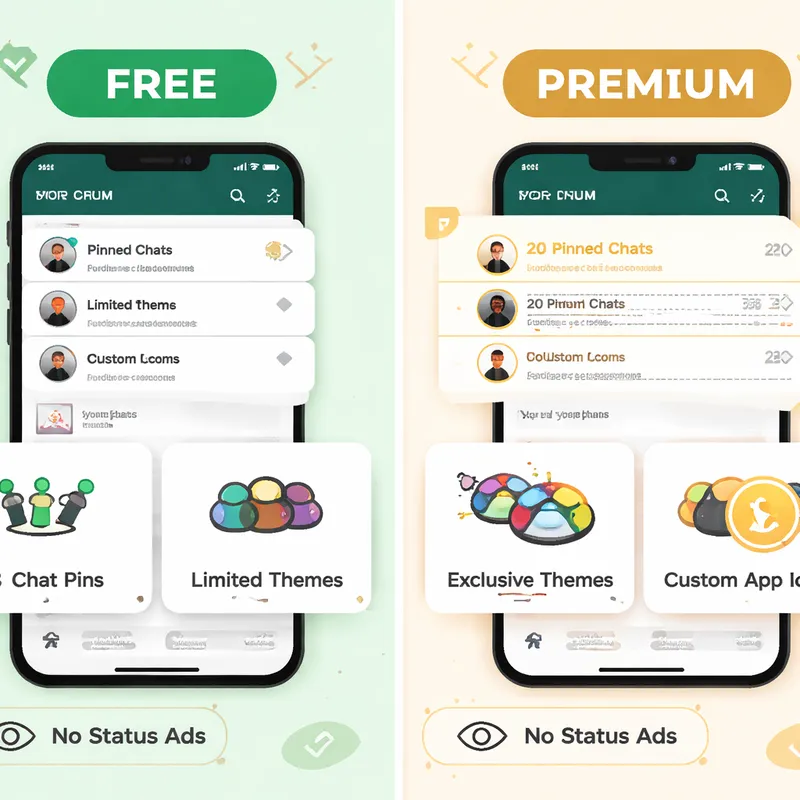
- Expanded pinned chats, with up to 20 chats pinned instead of the current free limit of 3
- Custom lists for better chat organization
- New chat themes
- Custom app icons
- New ringtones
- New notification tones that can apply to chat lists
- Possible future extras like exclusive stickers or more interactive reactions
Some reports also mention better support or premium help, but Meta has mainly confirmed the personalization and organization angle.
If you are the kind of person who keeps work, family, school, shopping, and side projects all inside one WhatsApp account, expanded pinned chats and custom lists could be genuinely useful. Pinning 20 chats is not a tiny upgrade if your inbox is chaos by lunch.
Still, most of the value here feels visual. Themes, icons, tones, and stickers are fun. They are not game-changing.
What will stay free for regular WhatsApp users
This is the part many people care about most. So let’s keep it simple.
WhatsApp has not said that the core app will stop being free. Standard messaging, calls, group chats, and status updates are expected to remain available without a subscription. The current test is optional.
That means you are not being forced to pay just to keep chatting with friends and family.
Also important: there is no confirmed sign that paying for WhatsApp Plus removes ads from Status. That detail matters because some users may assume a subscription means an ad-free experience. At least from what has been reported so far, that is not part of the pitch.
So if your main reason for paying would be "please remove ads," this test does not seem built for that.
Why would someone pay for WhatsApp Premium?
The short answer is convenience and personalization.
Some people pay for digital upgrades the same way others pay for a nicer phone case or a better keyboard. It is not essential, but it makes something you use every day feel better.
You might consider paying if:
- You manage lots of chats and want expanded pinned chats
- You like organizing your inbox with custom lists
- You care about themes, icons, stickers, and sounds
- You use WhatsApp for both personal and semi-professional communication and want more control over how it looks and feels
You probably will not care if:
- You only use a handful of chats
- You do not change app themes or notification sounds
- You expect premium to unlock major new features
- You want ad removal in Status
That is really the key tension here. For some users, this will feel neat. For others, it will feel like paying for wallpaper.
How much could WhatsApp Plus cost?
Meta has not confirmed official pricing yet.
However, reports suggest possible test pricing around:
- €2.49 per month in Europe
- 229 PKR in Pakistan, which is roughly under $1 in U.S. terms
- A possible one-month free trial
Those numbers suggest WhatsApp wants to keep the entry price low. That makes sense. If the features are mostly cosmetic, pricing has to feel small enough that users do not overthink it.
Even then, subscriptions add up. A couple of dollars a month may not sound like much, but people are already paying for music, streaming, cloud storage, and mobile plans. Another charge has to earn its place.
My honest take: if WhatsApp launches this at a low price, some users will join just for fun. But to keep them paying month after month, Meta may need to add more practical features later.
What this means for your wallet and your daily chats
For your wallet, the impact is simple. If you ignore WhatsApp Plus, probably nothing changes. If you subscribe, you are paying for polish and a bit more control.
For your chats, the changes are also pretty limited.
Your private conversations should still work the same way. The subscription does not appear to change who can message you, how encryption works, or whether free users can chat with paid users. It mostly changes how your app looks and how you organize conversations.
One small catch is that some premium visual changes may only matter to you. In other words, if you pay for custom themes or certain account-level styling, other people may not really see or care about that upgrade.
That is why this feels less like buying a more powerful app and more like paying for a more personalized one.
Why Meta is testing a subscription now
WhatsApp has a long history with pricing. Years ago, it charged some users a small subscription fee, but that model disappeared after Facebook, now Meta, removed it in 2016.
Since then, WhatsApp has made money in other ways, mostly through business messaging and click-to-WhatsApp ads. Meta has said paid messaging on WhatsApp has been a real growth driver, and WhatsApp reportedly crossed a $2 billion annualized revenue run rate in late 2025.
So why test a consumer subscription now?
Because it gives Meta another monetization option without breaking the free core app.
That is the smart part of this strategy. Instead of charging everyone, Meta can ask a smaller group of power users and personalization fans to pay for extras. It is a lighter touch than putting core messaging behind a paywall.
Still, this early test is in limited markets. So even if it works, it probably will not move Meta’s total revenue in a big way right away.

Is WhatsApp falling behind rivals, or learning from them?
This test also looks like a response to how other apps make money.
Telegram has long leaned into extra features, customization, and premium perks. Snapchat+ showed that people will pay for identity and expression inside a social app, even when the core service stays free.
WhatsApp seems to be borrowing from that playbook. Instead of changing messaging itself, it is trying to make the app feel more personal.
The risk is obvious. Users may compare WhatsApp Plus with other subscriptions that offer deeper value. If competitors provide more storage, better tools, stronger admin controls, or meaningful productivity upgrades, a cosmetic-first subscription may feel thin.
The opportunity is also obvious. WhatsApp has billions of users. Even a small percentage of paying subscribers could become a healthy extra business line.
Should you pay for WhatsApp Plus if it reaches your market?
If this launches where you live, ask yourself one question: do these upgrades save you time or just change the look of the app?
It may be worth it if you:
- Depend on WhatsApp every day
- Need more than 3 pinned chats
- Want cleaner organization with custom lists
- Enjoy customizing the apps you use most
It may not be worth it if you:
- Only want the basics
- Do not care about themes or icons
- Expect premium to remove ads from Status
- Want big functional upgrades for the price
At this stage, WhatsApp Plus looks more like a nice-to-have than a must-have.

FAQ
Why would someone pay for WhatsApp Premium?
Someone might pay for WhatsApp Premium Subscription for personalization and organization. The current test points to perks like expanded pinned chats, custom lists, new chat themes, custom app icons, and extra sounds. However, the free version still appears to keep core messaging, calls, and status features. Also, current reporting does not confirm zero ads on Status for paid users.
Can WhatsApp see your private messages?
No. WhatsApp says personal messages and calls are protected by end-to-end encryption. That means no one outside the chat, including WhatsApp, can read or listen to them while they are in transit.
Are you going to have to pay for WhatsApp?
No, not based on what is being tested right now. WhatsApp Plus appears to be optional, and the main WhatsApp service is expected to stay free for regular users.
What does WhatsApp Premium do?
This is where things get confusing. Some people use “WhatsApp Premium” to describe older business-focused tools, like connecting more devices, naming devices, or assigning chats to agents. But the current consumer test being reported is WhatsApp Plus, and it focuses on customization and organization, such as expanded pinned chats, custom lists, themes, icons, and ringtones.
Final thoughts
In 2026, WhatsApp’s new subscription push looks less like a major product shift and more like a careful experiment. You are not paying to unlock messaging itself. You are paying to shape how WhatsApp looks and how your chats are arranged.
That could be enough for some people. It will not be enough for everyone.
For now, the safest conclusion is this: WhatsApp Plus is interesting, optional, and mostly cosmetic. Your chats are not about to become paywalled, but your inbox might soon come with a premium makeover option if you want it.

