DJI Lito X1 Review: Quick Verdict
The DJI Lito X1 review story is simple. If you want a beginner drone that makes flying feel easy, this is one of the best new options in 2026. Flight performance is smooth and stable, it comes in at less than 249 grams, and DJI adds great safety features that remove a lot of the stress for first-time pilots.
It is not the most exciting drone DJI has ever made. It is not built for pro filmmakers either. But if your goal is to get clean 4K footage, fly with more confidence, and spend less time worrying about crashes, the Lito X1 makes a lot of sense.
TechRadar called it a brilliant, high-value entry into aerial photo and video. Engadget leaned into the same point from another angle: this is an affordable drone that does not cut too many of the features beginners actually need.
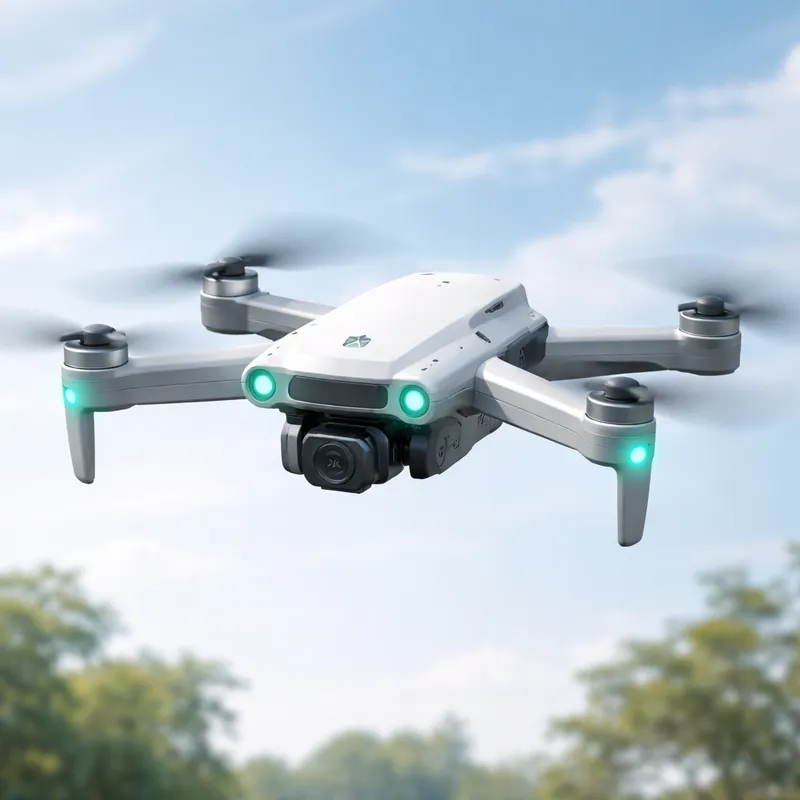
For most people, the real headline is this: the DJI Lito X1 gives you 10-bit 4K at 60fps, omnidirectional obstacle avoidance, forward LiDAR, and up to 36 minutes of battery life in a compact folding drone. That is a strong package at this price.
Who the DJI Lito X1 Is For
If you are new to flying, the Lito X1 feels like it was built for you.
It fits a very specific type of buyer:
- You want your first serious camera drone
- You care more about easy flying than stunt tricks
- You want strong safety tools
- You want better image quality than the cheapest entry-level drones
- You do not want to jump straight to a more expensive Mini Pro, Air, or Mavic model
The Lito X1 sits above the cheaper Lito 1. Both are beginner-focused, but the X1 is the better pick if you want more confidence in the air and better video quality on the ground.
There is one big catch for some readers. Multiple reports say the Lito line is not officially available in the US. In the UK and Australia, it launched on April 23, 2026. So if you are in the US, availability may be limited or unofficial.
Design And Build Quality
DJI sticks to a formula that works. The Lito X1 is a compact folding drone with a lightweight body of about 249g. That low weight matters. In many regions, it keeps the drone in a friendlier rules category, which makes it more approachable for beginners.
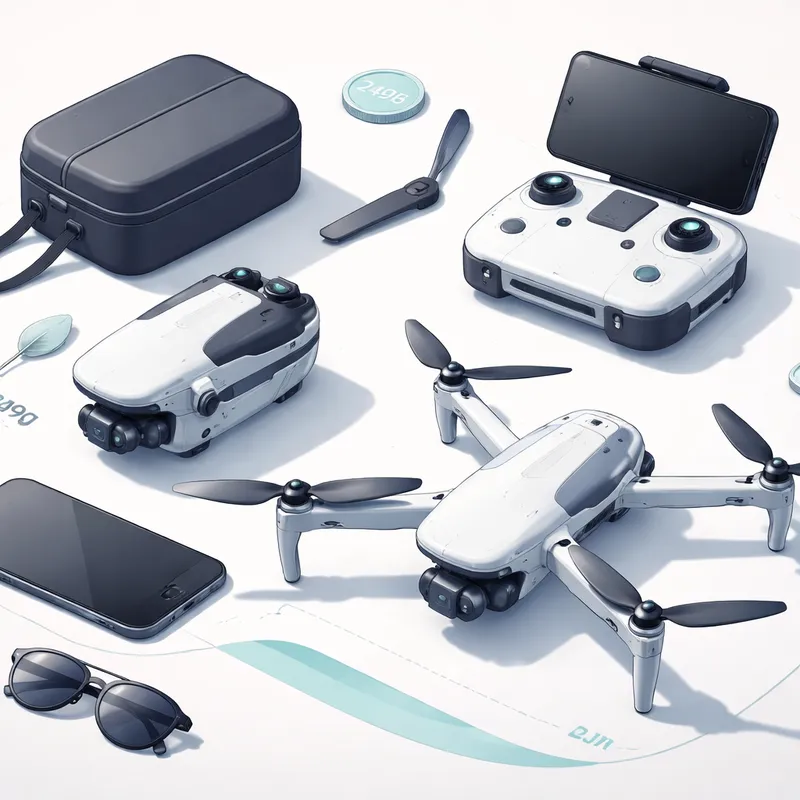
Folded down, it is small enough to toss into a day bag. You are looking at roughly 149 x 94 x 62mm when packed up. That makes it easy to carry to a park, beach, or hiking trail without feeling like you packed camera gear for a full production day.
The folding arm design also sounds practical in use. Digital Camera World noted that the arm setup helps the drone get in the air quickly, and the front arms include small landing legs so you can take off from a flat surface without scraping the underside.
A few design points stand out:
- Under 249 grams
- Folding travel-friendly body
- Open-prop design meant for outdoor use
- Internal storage on the X1 plus microSD support
- RC 2 controller bundle on the X1 in some packages
The open-prop setup is worth mentioning because it changes how you should think about the drone. This is not really an indoor toy. Reviews consistently frame it as an outdoor beginner drone. It is made for open spaces, higher speeds, and tracking shots rather than close indoor flights around furniture or people.
Features And Performance
This is where the Lito X1 starts to separate itself from cheap drones that look good on paper but feel stressful in real use.
Flying feels easy, and that matters
The best beginner drones do one thing really well: they help you relax. The Lito X1 sounds like that kind of drone.
According to TechRadar, flight performance is smooth and stable, even in challenging coastal UK conditions. That is a strong sign, because windy seaside flying tends to reveal weaknesses fast. Engadget also described excellent stabilization and solid handling.
If you are just starting out, this matters more than raw speed. A drone that hovers cleanly, responds predictably, and does not wobble every time the wind changes makes learning far less frustrating.
Obstacle avoidance is the real selling point
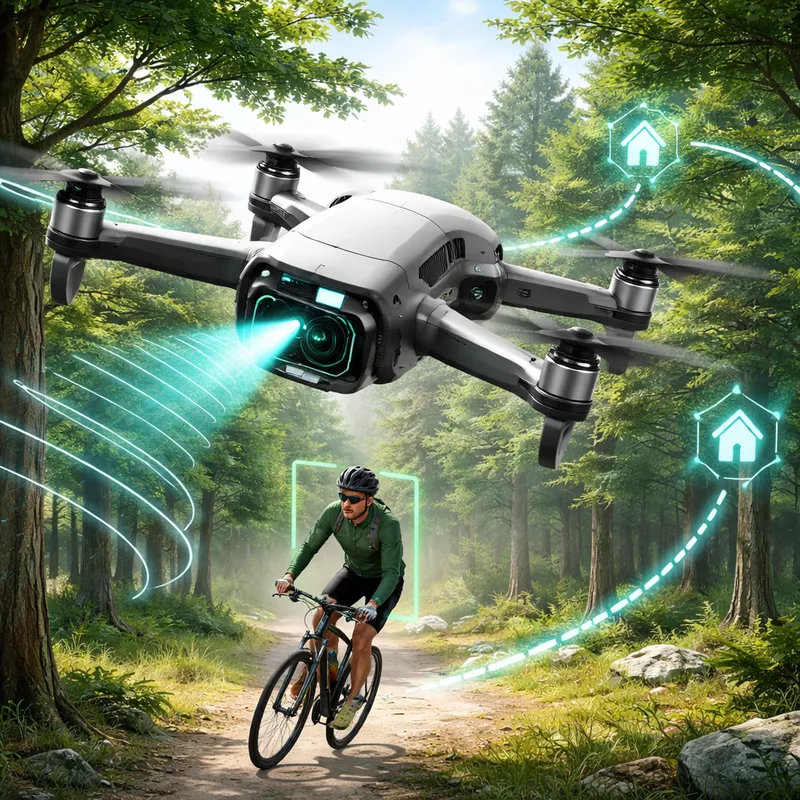
Both the Lito 1 and Lito X1 have omnidirectional obstacle avoidance, which is already a big win in this price range. The X1 goes further with forward-facing LiDAR.
That extra LiDAR support is one of the biggest reasons the X1 feels more effortless than many other beginner drones.
Why? Because beginners make small mistakes all the time:
- drifting too close to a tree
- misjudging distance while tracking a subject
- flying back toward themselves at a weird angle
- trying to return home in fading light
The X1 is designed to help with those moments. Engadget reported that it avoided almost every obstacle in testing, including fine branches, with only one small miss on a twig that caused a bobble instead of a crash. That is the kind of real-world result that inspires confidence.
ActiveTrack and smart flight modes
DJI also includes the features people actually want once they get past basic takeoff and landing:
- ActiveTrack / FocusTrack subject tracking
- Spotlight
- MasterShots
- QuickShots like Dronie and Rocket
- Return to Home with battery warnings
- Cine, Normal, and Sport modes
This gives you room to grow. At first, you may just want the drone to hover safely and record your family at the beach. A month later, you might try tracking a bike ride or using automated moves for social clips. The X1 can handle both levels.
Battery life is one of the highlights
DJI rates the battery at up to 36 minutes per charge, and that is one of the strongest specs in its class. TechRadar said it clearly beats the battery life of models like the DJI Neo 2 and Flip.
Real-world flight time is usually lower, of course. Engadget saw closer to 25 minutes per charge in practical use. That still feels reasonable for a sub-£400 drone with this feature set.
If you have used cheap drones before, you know the pain of flights ending right when you finally get comfortable. The X1 seems less frustrating on that front.
Speed, range, and noise
The Lito X1 is not slow. Reports put it at around:
- 26 mph in Normal mode with obstacle detection active
- Up to 40 mph in Sport mode
- Wind resistance around 21 mph
- 1080p/60fps video transmission up to 10 miles with DJI O4
Noise reporting is a little mixed between sources. TechRadar cited 81dB but still described the drone as surprisingly unobtrusive in the air. Engadget called the Lito series whisper quiet with a lower, less annoying pitch than Neo-style drones. Either way, the takeaway is that it does not seem harsh or shrill during normal outdoor flying.
Camera Performance
For a beginner drone, the Lito X1 camera package is strong.
You get:
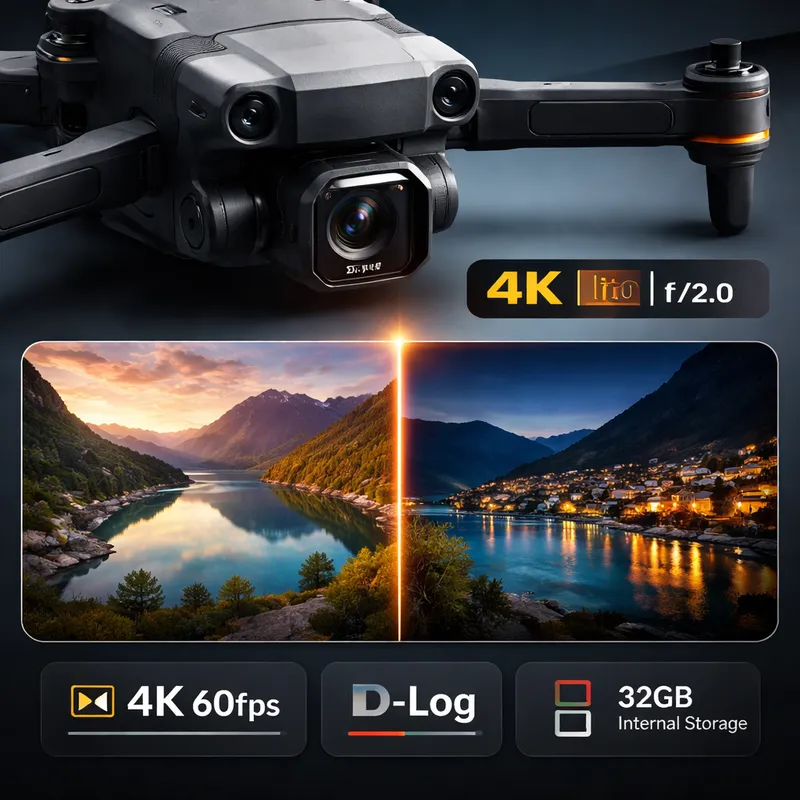
- 1/1.3-inch sensor
- 10-bit 4K video at 60fps
- D-Log M support
- HDR recording according to some hands-on coverage
- 12MP and 48MP stills in JPEG and DNG
- 42GB of internal storage plus microSD support
That is why the X1 feels like more than just a safe first drone. It is also a camera you can grow into.
Video quality
TechRadar rated image and video quality at 4.5/5 and described the footage as great for the price. Engadget went further on the value angle, saying the X1 delivers sharp 4K and noticeably better low-light quality than the Lito 1.
The 10-bit D-Log M support is a bigger deal than it may sound. If you only post straight to social media, you may use the standard color profile most of the time. But if you want to edit your footage later, D-Log M gives you more room to recover highlights and shape contrast.
That matters in common drone scenes like:
- bright skies over dark trees
- beaches at sunset
- roads cutting through shadow and sunlight
- buildings with reflective glass
TechRadar says the X1 can deliver up to 14 stops of dynamic range when graded in post. For an entry-level drone, that is impressive.
Low-light performance
The Lito X1 also pulls ahead of the Lito 1 once the sun drops. Engadget found the X1 cleaner in dim scenes, while the Lito 1 showed grain much sooner. That lines up with the sensor sizes. The X1 has the larger 1/1.3-inch sensor, so it has a better shot at keeping detail and reducing noise.
That said, this is still not a high-end Air or Mavic replacement. If your priority is the best possible image quality, especially for low light or zoomed-in detail, higher DJI models still win.
Photo quality and RAW flexibility
For stills, the X1 shoots JPEG and DNG RAW, which is useful if you like editing in Lightroom. Another comparison source looking at RAW files suggests the X1 is solid for beginner photography, but the Mini 5 Pro can still do better at very high ISO. That feels fair. The X1 is strong for the money, not class-leading across the whole market.
The camera’s weak spots
The Lito X1 is not perfect.
Its most repeated camera downsides are:
- No rotating camera for true 9:16 vertical shooting
- Digital zoom gets soft at tighter settings
- Default exposure may run a bit bright, so adjusting EV can help
That vertical limitation is worth thinking about if most of your work is made for Reels, Shorts, or TikTok. You can still crop, but it is not as elegant as a rotating camera system.
DJI Lito X1 vs DJI Lito 1
If you are deciding between the two, here is the short version: buy the Lito X1 if you can afford it.
The cheaper Lito 1 is still a decent beginner drone. It gives you 4K/60fps, tracking, and obstacle avoidance at a lower price. But the X1 just feels more complete.
Why the X1 is worth the extra money
- Larger 1/1.3-inch sensor
- 10-bit D-Log M video
- Better low-light performance
- Forward LiDAR for more confident obstacle detection
- 42GB internal storage
- Better overall value if you care about video quality
When the Lito 1 still makes sense
- You want the cheapest possible DJI beginner drone
- You mostly shoot in daylight
- You do not care much about grading footage later
- You are fine relying only on microSD storage
TechRadar and Engadget both point in the same direction here. The Lito 1 is the budget pick. The X1 is the smarter long-term buy.
What It Gets Right for Beginners
This is the heart of the review.
The DJI Lito X1 makes flying feel effortless because it reduces the three biggest beginner problems:
1. Fear of crashing
Omnidirectional obstacle avoidance and LiDAR take away a lot of that tension. You still need to fly responsibly, but the drone gives you a safety net.
2. Short, annoying flights
With up to 36 minutes claimed battery life, you get more time to learn, frame shots, and retry moves.
3. Outgrowing the camera too fast
A lot of entry-level drones feel limiting after a few weeks. The X1 gives you 10-bit 4K, D-Log M, RAW photos, and a better sensor, so you have more room to improve.
That combination is why the drone stands out. It is beginner-friendly without feeling disposable.
What Could Be Better
Even very good beginner drones come with trade-offs.
Here are the main ones to know before you buy:
- It is not officially available in the US based on current launch coverage
- It is not the cheapest DJI option
- It is not ideal for indoor flying or around people because of the open-prop design
- It lacks a rotating camera for vertical video
- Digital zoom softness limits tight shots
- Higher-end DJI drones still beat it for pure image quality and zoom detail
None of those are deal breakers for the target buyer. But they do help define who this drone is really for.
Final Verdict
The DJI Lito X1 is not trying to be a pro drone. It is trying to be the drone that gets you in the air quickly, keeps you calm while flying, and gives you footage that looks better than you expected for the price.
And by all signs, it succeeds.
If you are shopping in 2026 for a beginner drone under £400, this should be near the top of your list. It combines smooth and stable flight performance, great safety features, impressive battery endurance, and capable cameras in a package that feels easy to recommend.
If your budget is tight, the Lito 1 works. But if you want the version that really makes flying feel effortless, the DJI Lito X1 is the one to get.
FAQ
Is the DJI Lito X1 good for beginners?
Yes. It is one of the most beginner-friendly DJI drones launched in 2026 because it combines smooth flight, omnidirectional obstacle avoidance, forward LiDAR, and simple smart flight modes.
How much does the DJI Lito X1 cost?
Launch pricing was listed at £369 / AU$619 for the standard package. The Fly More Combo was listed at £599 / AU$1,069.
Is the DJI Lito X1 under 249 grams?
Yes. The drone weighs about 249g, which helps keep it in a friendlier ultralight category in many regions.
How long does the DJI Lito X1 battery last?
DJI claims up to 36 minutes per battery. Real-world testing from one review suggested closer to 25 minutes, which is still solid for this class.
Does the DJI Lito X1 have obstacle avoidance?
Yes. It has omnidirectional obstacle avoidance, and the X1 model adds forward-facing LiDAR for better hazard detection and tracking confidence.
Can the DJI Lito X1 shoot 4K video?
Yes. The X1 records 10-bit 4K at 60fps and supports D-Log M, making it stronger for editing than many basic beginner drones.
Is the DJI Lito X1 better than the Lito 1?
For most people, yes. The X1 has a larger sensor, better low-light performance, D-Log M, LiDAR, and internal storage. The Lito 1 mainly wins on lower price.
Is the DJI Lito X1 available in the US?
Current launch coverage says no official US release is expected. Availability appears focused on markets like the UK, EU, and Australia.
Can the DJI Lito X1 shoot vertical video?
Not natively with a rotating camera. You can crop for social platforms, but the camera does not physically rotate for true 9:16 capture.
Should you buy the DJI Lito X1 in 2026?
If you want an easy first drone with strong safety features, long battery life, and better-than-basic video quality, yes. It looks like one of the best beginner drone options of 2026.

